The 2026 JS-SEZ Influx and the Hidden Costs of Settling in Johor
The establishment of the Johor-Singapore Special Economic Zone (JS-SEZ) in 2026 has initiated a structural shift in regional demographics. As cross-border regulatory frameworks ease and the Rapid Transit System (RTS) Link nears its official deployment phase, thousands of professionals, corporate entities, and expat families are relocating from Singapore and the Klang Valley to Johor Bahru. Key residential hubs—ranging from high-density luxury high-rises in Bukit Chagar and Danga Bay to sprawling suburban developments in Iskandar Puteri—are experiencing unprecedented occupancy rates. However, this massive migration highlights an immediate practical challenge: executing a rapid, cost-effective, and long-term interior furnishing plan.
For many relocating families and real estate investors, the default instinct is to procure flatpack, mass-market furniture from multinational retailers. Promoted as convenient and modern, these pieces are frequently selected to fill newly handed-over keys. This reliance on composite wood furniture often results in premature structural failure, forcing owners to replace whole sets within 24 months. The economic reality of relocating to southern Malaysia requires an understanding of how local environmental conditions interact with synthetic furniture materials, as well as why investing in high-quality pre-owned timber can yield significantly better long-term financial outcomes.
To establish a stable household in Johor Bahru, relocating professionals must look past low initial price points and evaluate the total cost of ownership. The dynamic environment of the JS-SEZ, coupled with Southern Malaysia’s demanding tropical climate, calls for a move toward durability. Choosing robust local timber and well-restored, pre-owned solid wood furniture is a reliable way to protect household investments from early degradation.
The Southern Johor Climate Factor: Why Materials Matter
Johor Bahru’s geographical position at the tip of the Malay Peninsula subjects residential interiors to a demanding maritime tropical microclimate. With relative humidity levels frequently averaging between 80% and 95% year-round, indoor environments fluctuate drastically between periods of natural ventilation and intense air conditioning. This cyclic thermal and moisture variation acts as an environmental stressor for interior furnishings. While high-quality local hardwoods naturally adapt to these changes, engineered wood compounds face rapid physical breakdown under identical conditions.
Mass-market “fast furniture” relies heavily on Medium-Density Fibreboard (MDF), Particle Board, and Oriented Strand Board (OSB). These engineered composites consist of wood fibers, sawdust, and shavings bound together under high heat and pressure using synthetic urea-formaldehyde resins. Under Southern Malaysia’s high relative humidity, these binders undergo hydrolytic degradation. The core material absorbs moisture from the air, causing the wood fibers to swell unevenly. This leads to several common issues:
- Structural Sagging (Creep): Under constant load, humidified particle board lacks the tensile strength to resist deformation. Bookcases, console tables, and shelves bow permanently.
- Laminate and Veneer Delamination: The adhesive layer securing the outer plastic (melamine) or thin wood veneer to the swollen core breaks down, resulting in peeling edges and exposed, unsightly composite cores.
- Fastener Pull-Out: Particle board depends on cam-locks and threaded screws that bite directly into compressed sawdust. Once moisture weakens the internal binding agents, the tension is lost, rendering joints loose and unrepairable.
- Mold and Fungal Colonization: The organic starches present in the wood fibers of poorly sealed composite panels, combined with stagnant humid air, create prime conditions for toxic mold and mildew growth.
In contrast, premium solid wood furniture is inherently stable when seasoned correctly. Natural timber possesses continuous, long-grain structures that distribute mechanical stress and handle humidity cycles through isotropic expansion and contraction. When vintage or high-quality pre-owned solid wood furniture has survived decades in Southeast Asia, it has already stabilized, meaning it will not warp, twist, or structurally degrade in a Johor home.
The Real Cost Analysis: Fast-Furniture vs. Pre-Owned Solid Wood
Evaluating the financial viability of furnishing a JS-SEZ apartment requires assessing initial purchase capital expenditure (CapEx) against replacement frequency and depreciation (OpEx). While flatpack furniture appears highly economical on paper, its high rate of depreciation and low durability result in a high cost-per-year of utility. Conversely, sourcing premium used furniture or vintage pieces provides a durable asset that retains structural value over time.
| Material & Construction Class | Typical Lifespan (Johor Climate) | Average Purchase Cost (3-Bdr Home) | Resale/Salvage Value (Year 5) | Structural Integrity at Year 5 | Susceptibility to High Humidity |
|---|---|---|---|---|---|
| MDF / Particle Board (Flatpack) | 1.5 to 3 Years | RM 6,000 – RM 10,000 | RM 0 (Landfill / Unsalvageable) | Failed joints, sagging, warped frames | Extremely High (Swelling & Mold) |
| Premium Used Solid Wood (Teak/Mahogany) | 25+ Years | RM 7,000 – RM 12,000 | 60% – 80% of Purchase Price | Perfect structural integrity; restorable | Very Low (Naturally oil-rich) |
| Local Hardwood Furniture (Merbau/Balau) | 40+ Years | RM 9,000 – RM 15,000 | 70% – 90% of Purchase Price | Indestructible joints; zero sag | Negligible (Extremely dense) |
Purchasing cheap flatpack alternatives often leads to a cycle of repeat purchases. For example, a budget bed frame constructed from laminated particle board may warp or break its central support slats within two years of use. It is then thrown away, requiring another purchase. On the other hand, buying a solid wood frame from a premium pre-owned source means paying a comparable upfront price for an item that can last for generations.
As the visual model illustrates, engineered materials undergo steep depreciation, reaching near-zero utility value within 24 to 36 months in tropical environments. Conversely, premium pre-owned solid wood furniture maintains a stable baseline of value. Its durability guarantees that if an owner decides to relocate out of the JS-SEZ, these items can be sold on the secondary market to recover a significant portion of the initial investment.
The Science of Local Hardwoods: Durability Profiles for Tropical Climates
Selecting solid timber requires understanding how different wood species react to environmental factors. Sourcing regional varieties with natural resistance to pests, rot, and humidity is key to building a resilient home setup. To make an informed choice, consumers should consult resources detailing Malaysian Wood Durability before purchasing timber products in Southern Johor.
Local hardwood species like Teak (Tectona grandis), Merbau (Intsia bijuga), and Balau are well-suited for high-humidity areas. These timbers contain high concentrations of natural oils and silica deposits within their heartwood. These compounds act as water repellents and natural deterrents to wood-boring insects. Their high density prevents significant moisture absorption, making them resistant to warping and rot.
Beyond premium hardwoods, other regional timbers offer distinct practical benefits. For instance, those looking for natural protection against biological pests should look into Neem Wood Benefits. Neem wood contains azadirachtin, a organic chemical compound that makes the timber highly resistant to termites and fungal spores, all without requiring heavy chemical treatments.
For items that may need to be moved occasionally, such as dining chairs, desks, or occasional tables, lighter yet stable timbers are a practical choice. Sourcing furniture made from Gmelina timber provides a balanced alternative, offering a solid structural foundation without the heavy weight of dense hardwoods. To understand its mechanical properties and performance, buyers can review the analysis of Gmelina Wood Quality. By choosing pieces tailored to specific household needs, JS-SEZ residents can design balanced, long-lasting spaces.
Sourcing Smart: Integrating Vintage & Antique Pieces into Modern JS-SEZ Living
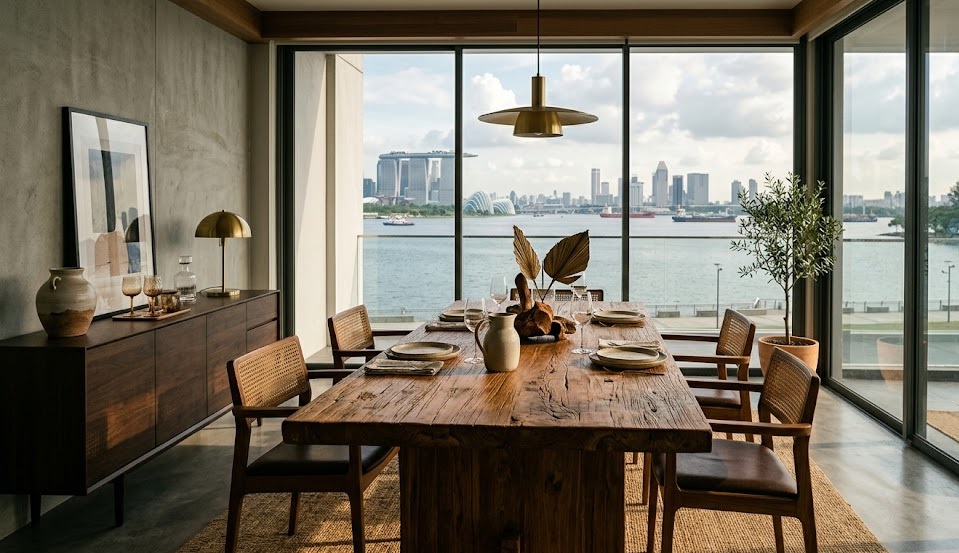
Modern architectural layouts across newly constructed Johor Bahru developments feature minimalist designs with concrete surfaces, glass facades, and neutral-colored walls. While clean, these high-rise apartments can sometimes feel sterile if filled entirely with mass-produced, monochrome items. Introducing curated historical pieces creates visual contrast, turning a standard apartment into a thoughtful, personalized home. Relocating professionals can find unique, character-rich options in our curated Antique & Vintage collection to balance modern aesthetics with organic warmth.
Integrating vintage furniture into contemporary spaces requires a careful approach to scale, texture, and color. Rather than crowding a room with dark wood, interior designers recommend a “one-to-three” ratio: placing one prominent antique or vintage piece, such as an ornate sideboard or a solid-timber chest, alongside three modern, clean-lined elements. This approach lets the older piece serve as a distinct focal point without overwhelming the room’s open, airy layout.
Color coordination is key when mixing old and new elements, especially with dark wood tones. To balance these deep hues, it helps to understand how to apply contrast. For practical tips on matching wall paint, textiles, and decor with deep timber tones, you can review our guide on Espresso Furniture Color Matching. Using light, earthy neutrals like warm creams, soft sage greens, or subtle taupes helps offset the heavy visual weight of deep brown wood. This balance keeps rooms looking bright, open, and sophisticated, making the most of Johor’s bright, natural tropical light.
Strategic Furnishing Blueprints for Expat and Renter Archetypes
The influx of new residents into Johor via the JS-SEZ consists of distinct demographic groups, each with unique housing goals, spatial needs, and investment timelines. To make furnishing efficient, we have outlined three strategic blueprints tailored to common relocator profiles. Each plan focuses on comfort, long-term durability, and smart budget allocation.
1. The Corporate Relocator (High-Rise Urban Condominiums)
This profile typically represents single professionals or couples renting premium high-rise apartments in central locations like Bukit Chagar, Southkey, or Puteri Harbour. Their main objective is to establish an elegant, highly functional space quickly, often with a potential move-out timeline of two to five years. For these homes, prioritizing the living area is key, as it serves as the central hub for both relaxation and remote work.
Instead of purchasing cheap, temporary items that break during transit, relocators should invest in a few versatile, high-quality seating options. Choosing robust, well-maintained pre-owned Sofas & Armchairs provides lasting comfort and holds its value over time. Combining these pieces with a solid hardwood desk or dining table from our general Main Shop ensures a functional home setup that can easily transition to a future residence without losing structural integrity.
2. The Suburban Family (Landed Residences & Long-Term Estates)
This group includes families relocating to spacious, landed developments in areas like Horizon Hills, East Ledang, or Eco Botanic. Planning to stay for the long term, these households need to furnish multiple bedrooms and shared spaces. This requires choosing durable materials that can withstand daily use by children and pets without showing early wear.
The primary focus for family homes should be the bedrooms, where high-quality, supportive furniture directly impacts daily rest and well-being. This starts with selecting sturdy, solid timber Bed Frames that resist joint squeaks and structural sagging. These should be paired with premium, supportive Mattresses to ensure restorative sleep. For storage, choosing a solid wood Chest of Drawers with smooth, traditional wood-on-wood drawer runners provides a reliable, heavy-duty storage solution that avoids the common drawer-bottom bowing typical of cheap fiberboard alternatives.
3. The Balcony and Patio Expansion (Semi-Outdoor Living)
Many modern Johor properties feature spacious balconies or private garden patios designed to highlight the region’s warm tropical climate. However, these areas expose furniture to direct sunlight, high humidity, and heavy rain. Standard indoor materials will quickly warp or rot if used in these open spaces.
To make the most of semi-outdoor areas, it is important to choose weather-resistant materials. Sourcing natural, oil-rich teak or weather-treated metal pieces from our Outdoor Furniture selection provides lasting durability. High-quality outdoor furniture resists moisture absorption and UV damage, offering a reliable setup for morning coffees or evening relaxation overlooking the Johor Strait.
Maintenance, Preservation, and Pest Mitigation in Johor Condominiums
High-end furniture requires proper maintenance, especially in coastal tropical areas like southern Johor. The combination of salt-tinged air, high humidity, and indoor air conditioning can cause wood to expand and contract, which can strain structural joints and compromise protective finishes if left unmanaged.
- Keep Relative Humidity Stable: Avoid placing solid wood items directly in front of air-conditioning vents or in path of continuous damp drafts. A stable indoor humidity level between 55% and 70% is ideal for preventing timber from cracking or swelling.
- Apply Natural Wax Barriers: Treat unvarnished timber surfaces with high-grade beeswax or carnauba wax once every six months. This thin, protective layer slows down moisture exchange without sealing off the natural grain.
- Use Protective Felt Pads: Ensure all furniture feet have wool felt glides. This allows airflow underneath and protects your flooring from moisture buildup and scratches.
- Clean with Dry Microfiber: Avoid using wet mops or harsh chemical sprays on solid wood. Clean surfaces with a dry or barely damp microfiber cloth to preserve the wood’s natural patina.
Pest control is another key factor when maintaining high-end furniture in tropical climates. While solid wood is naturally resistant to many pests, soft-surface furniture—like fabric or poor-quality leather sofas—can attract insects. Fortunately, choosing natural, high-grain leather offers built-in defense against common household pests. For detailed advice on keeping your seating clean and pest-free, refer to our comprehensive guide on Leather Furniture Pest Control. This resource explains why natural leather’s dense, non-porous surface prevents fleas, bedbugs, and dust mites from nesting, making it a cleaner, more hygienic choice for tropical homes.
| Material Type | Primary Climate Risk in Johor | Preventative Action Plan | Recommended Treatment Frequency |
|---|---|---|---|
| Solid Teak & Rosewood | Surface drying from continuous air conditioning exposure. | Apply natural mineral oil or thin beeswax coatings. | Every 6 to 12 Months |
| Natural Top-Grain Leather | Mildew growth in unventilated, humid rooms. | Wipe down with a specialized pH-neutral leather cleaner and conditioner. | Every 3 to 4 Months |
| Cast Iron & Outdoor Metal | Oxidization and rust due to high coastal salt levels. | Apply a clear, rust-inhibiting polyurethane topcoat. | Annually |
| Softwood & Wood Veneers | Delamination and swelling at the edges. | Keep edges dry and seal any exposed composite seams with wood glue. | Upon initial inspection |
By establishing a consistent maintenance routine, homeowners in the JS-SEZ can protect their furniture assets. Consistent care preserves the beauty and character of your pieces, ensuring they remain a valuable and attractive part of your home for years to come.
Frequently Asked Questions (FAQ) for JS-SEZ Relocators
Is it difficult to transport solid wood furniture to high-rise apartments in Johor Bahru?
No, provided you work with professional furniture handlers who specialize in heavy and antique items. High-rise developments across Johor Bahru, such as those in Bukit Chagar and Danga Bay, feature spacious service lifts designed to handle large cargo. When sourcing from experienced local furniture suppliers, delivery teams will manage the logistics—including proper blanket-wrapping, transport, and precise in-home assembly—to ensure your pieces are installed safely without damage to the wood or your apartment walls.
How can I identify high-quality pre-owned solid wood from cheap replica furniture?
High-quality solid wood can be identified by inspecting its weight, joint construction, and wood grain. True solid timber pieces are noticeably heavier than those made from veneer or composite wood. Look closely at the joints: quality furniture uses interlocking woodwork, such as dovetail or mortise-and-tenon joints, rather than plastic brackets, staples, or simple glue. Additionally, feel the underside of the wood; if the grain pattern on the bottom matches the flow of the grain on top, it is a genuine solid piece rather than a thin veneer glued over particle board.
Will using air conditioning cause my solid wood furniture to crack?
Air conditioning dries out indoor air, which can cause wood to shrink slightly. Rapid, extreme shifts between hot, humid air and dry, cool air can put stress on timber joints. To prevent cracking, try to keep your home at a steady, moderate climate and avoid placing solid wood pieces directly beneath air conditioning vents. Using natural beeswax twice a year also helps the wood retain its natural moisture, allowing it to adapt safely to temperature changes.
Is pre-owned furniture clean and safe for homes with children or pets?
Yes, provided you purchase from a reputable dealer who sanitizes and restores their inventory. Established second-hand furniture specialists put each piece through a strict cleaning and restoration process. This includes deep-cleaning upholstery, sanitizing wood surfaces, and repairing any loose joints or worn finishes. Unlike new composite furniture, which can off-gas chemical fumes (like formaldehyde) when first unboxed, quality pre-owned timber furniture is stable and free of chemical odors, making it a safe choice for families and pets.
Conclusion & Professional Sourcing Services
Relocating to the Johor-Singapore Special Economic Zone (JS-SEZ) is a major milestone that requires smart, practical decisions to set up a comfortable home. While flatpack furniture may seem like a quick fix, Johor’s high humidity and warm climate often lead to early structural wear. Investing in durable, premium pre-owned solid wood and timeless vintage pieces offers superior longevity, better value retention, and a warmer, more inviting living space.
At qqfurniture.net, we specialize in sourcing, restoring, and delivering high-quality pre-owned solid wood furniture, unique antiques, and durable outdoor sets tailored to modern homes in Johor Bahru. Our curated inventory offers reliable, sustainable, and cost-effective furnishing solutions for expats, professionals, and property investors alike. Browse our online store or visit us to find the right pieces for your new home in the JS-SEZ.